Unforgettable
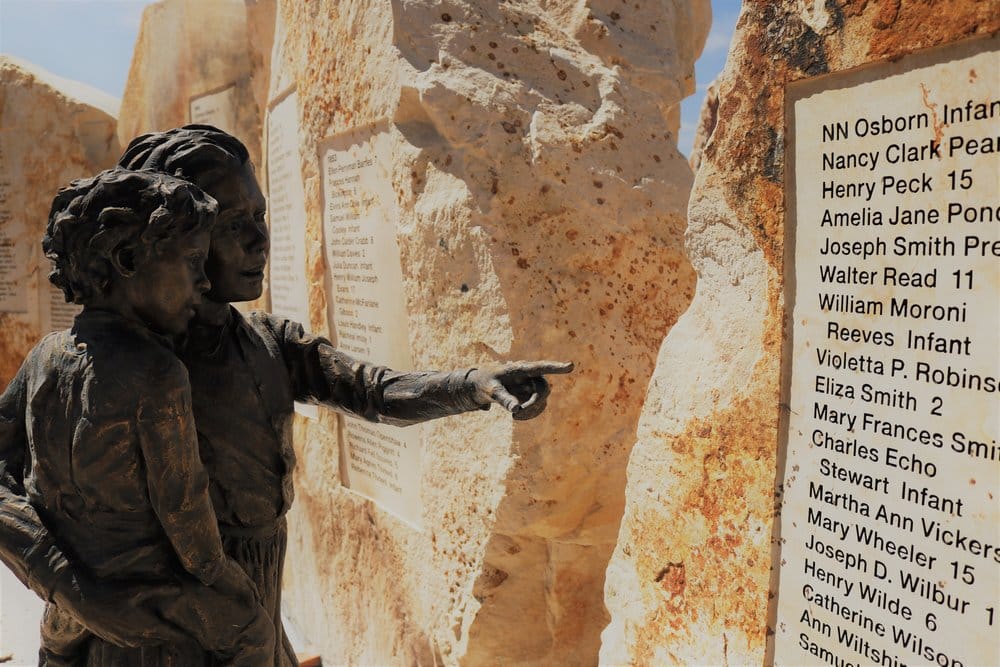
Pioneer Children's Memorial
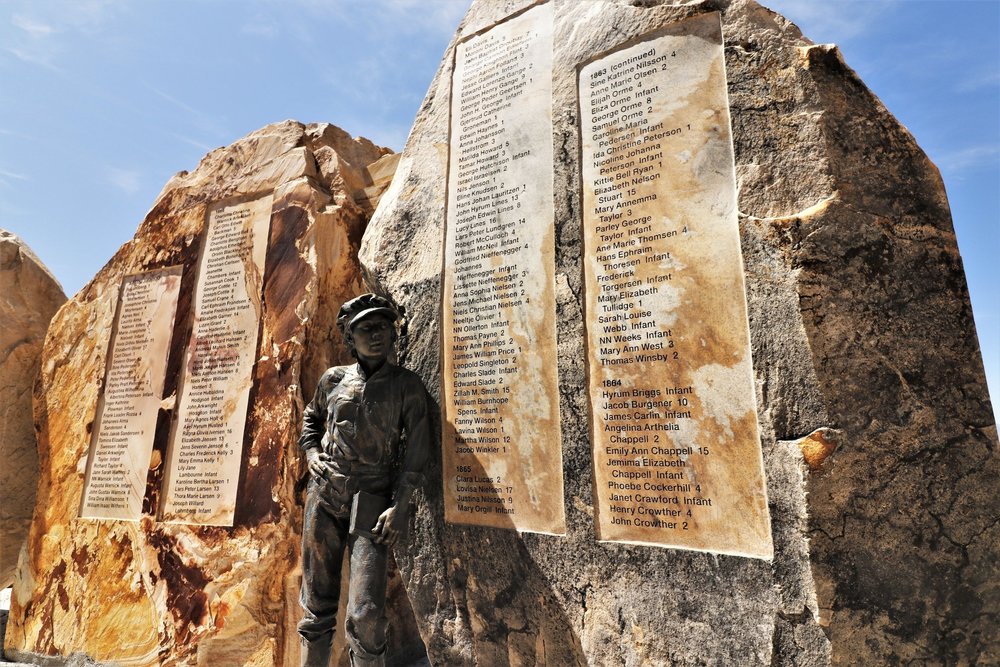
Pioneer Childrens Memorial
Bodell Mortensen
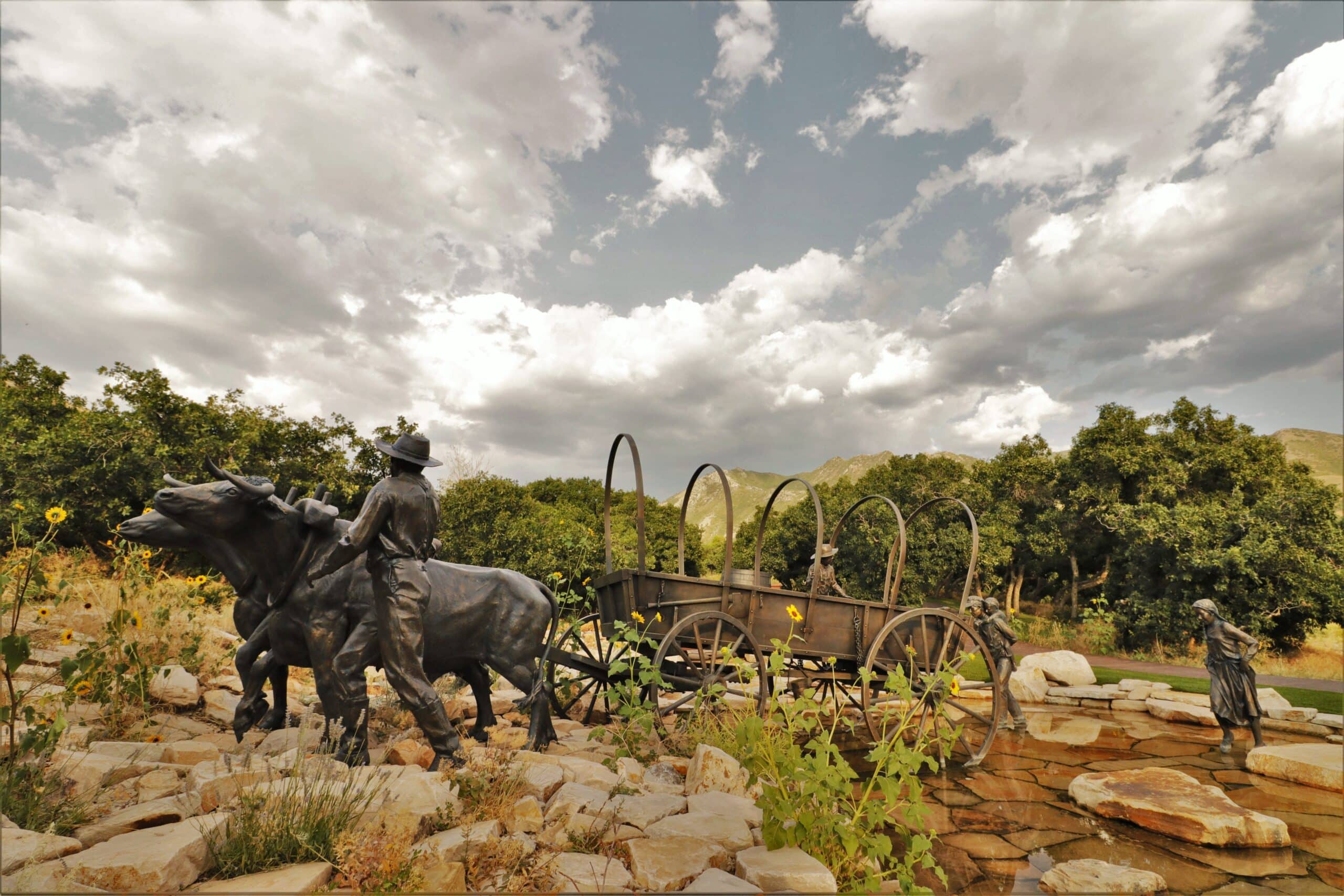
Sweetwater Crossing:
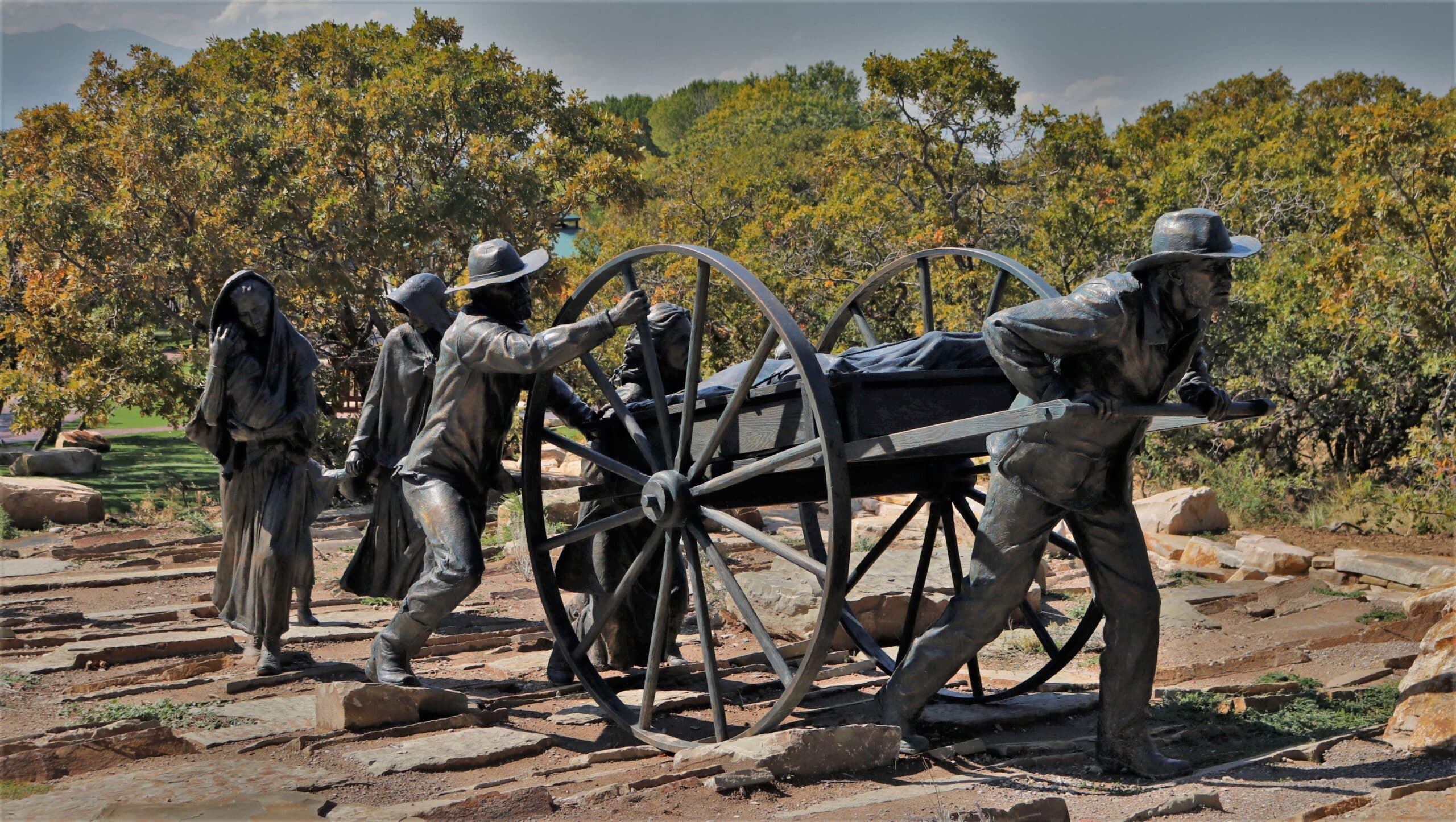
Rocky Ridge
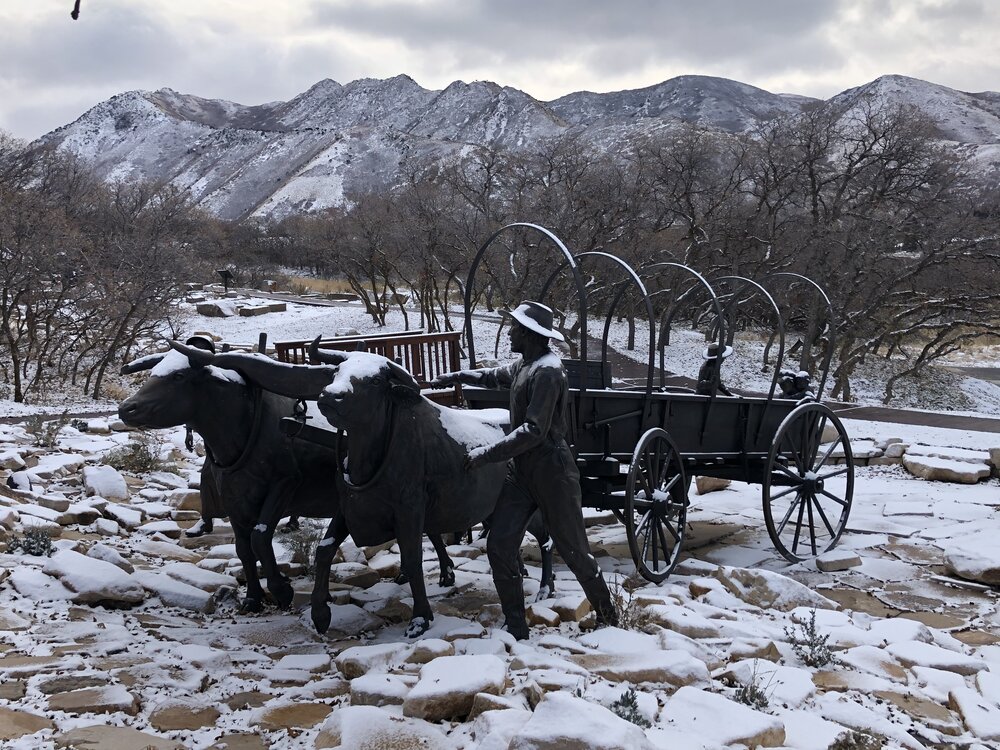
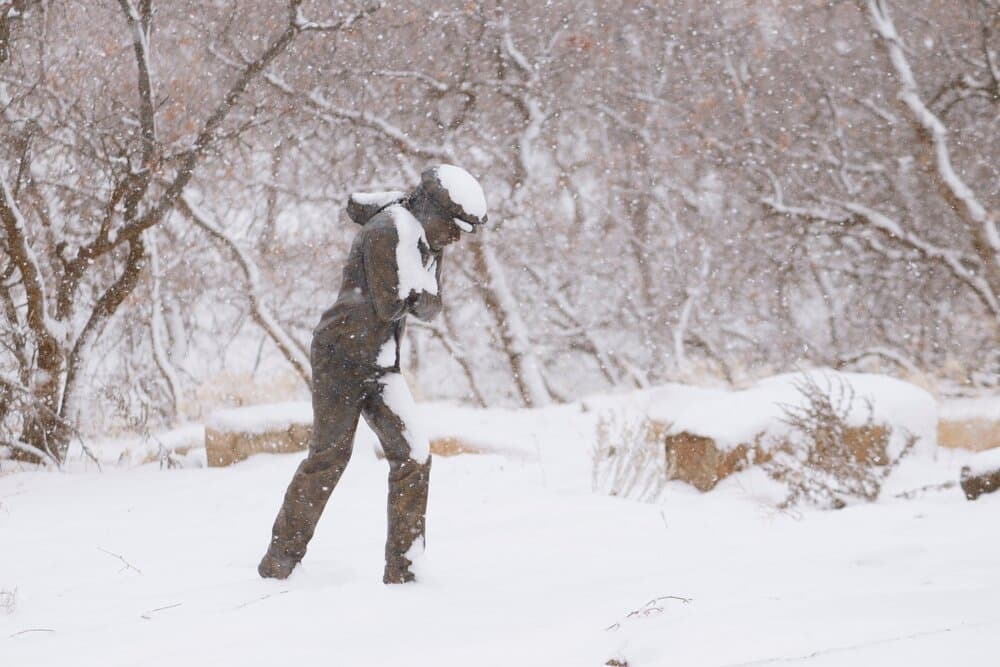
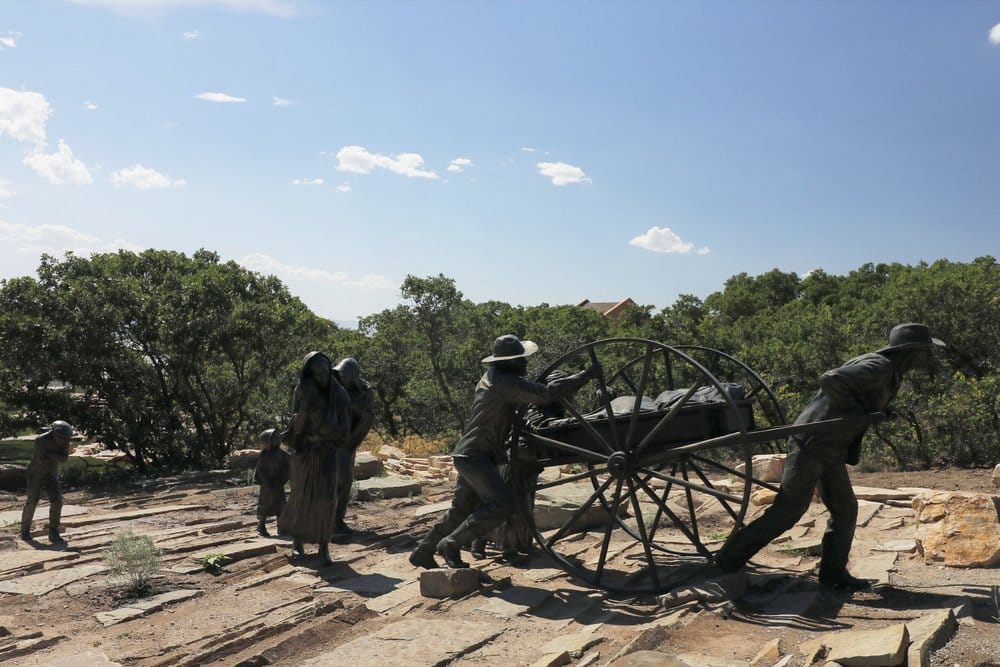
The trail across the plains from the Missouri River to the Salt Lake Valley was more than 1000 miles, and those who crossed it walked virtually all the way. Rocky Ridge is one of the highest points along the entire trail at 7300 feet. It is a barren, treeless, rock-strewn ridge on the high plains of Wyoming, that left travelers fully exposed to the wind and the elements. On October 23, 1856, the Willie Handcart Company, already exhausted, starved, and ill-clothed, crossed over that formidable summit. The wind was howling from the northeast, snow fell and swirled about their feet as they walked. Temperatures were so cold that some of the company froze to death as soon as they sat down. Others had hands, feet, and even eyes frozen. The company had to make 15 miles to their next camp, pulling the burdensome handcarts, and for some it would take 27 hours to complete that awful journey.
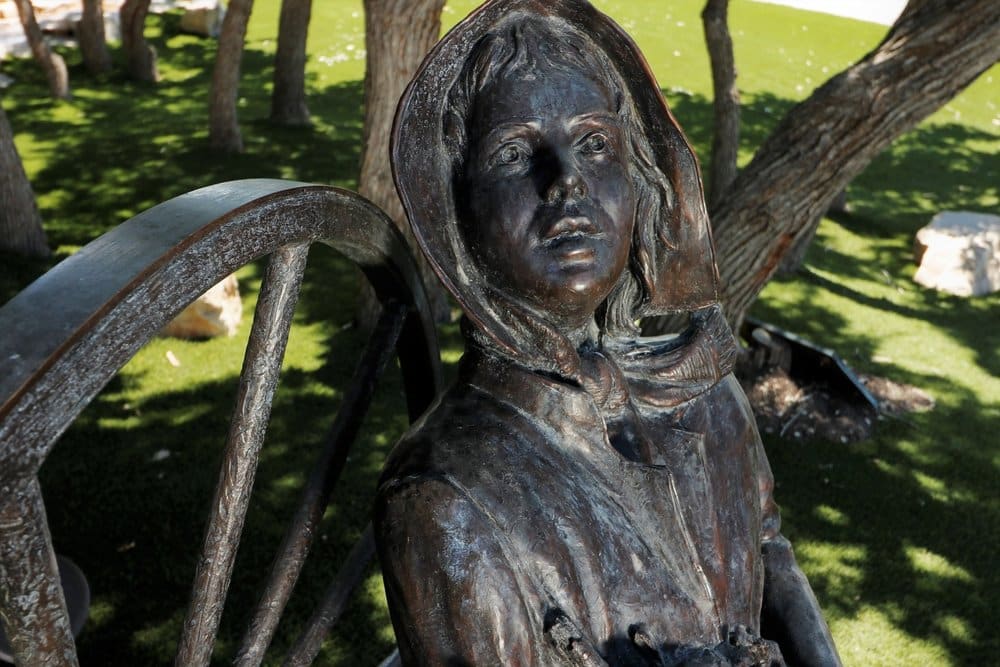
Martha Webb Campkin came to America with her husband and five children. With eager dreams they hoped to come west as a family, but Isaac died before they reached the trail. Martha was determined to go on and made her way to Florence, Nebraska arriving in time to join the Willie Handcart Company in the journey west. It is said that Captain Willie initially refused to allow Martha and her family to make the journey. A lone woman with small children could not pull the handcart, but when others in the company volunteered to help her, Captain Willie relented and she was allowed to go. Rocky Ridge was a terrible ordeal for them however, the combined efforts of all saw them safely through and into the Valley. All worked—all helped. From the parents to the youngest children, each who could did their part for the good of their family and company. It is how they survived.
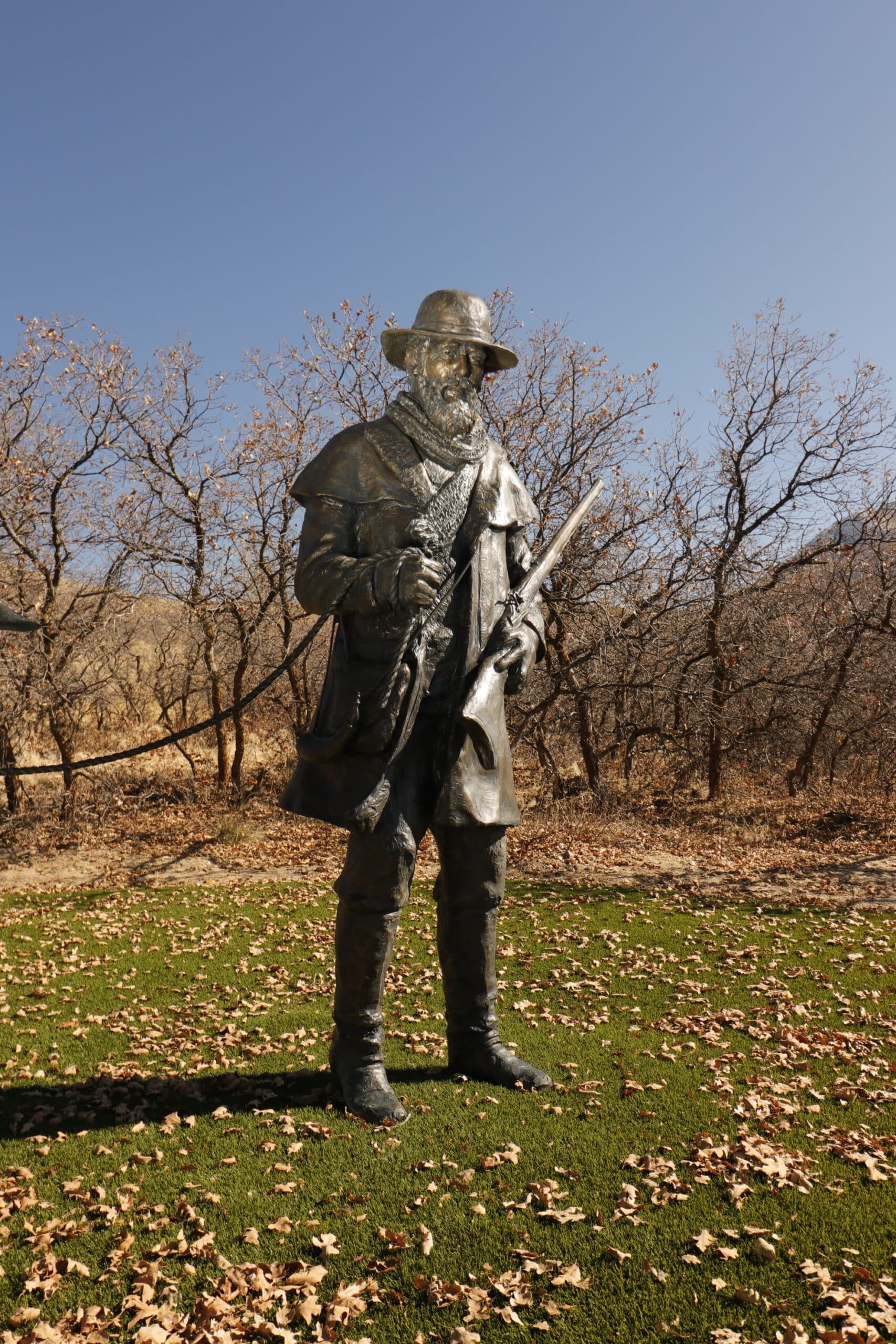
Ephraim Hanks
It was October 19, 1856, when snow came unexpectedly to Wyoming. More than 1000 emigrants were scattered along the trail. They were starving and freezing and people began to die every day. Word reached Salt Lake that people were still out on the plains, and immediately the call for volunteers went out. One of those who answered that call was Ephraim Hanks. With supplies, Ephraim set out from Salt Lake, headed east. As he fought his way along the trail, he met other rescuers who had given up trying to find the lost companies and were returning to the warmth and shelter of Salt Lake. Ephraim, however, pushed on. When he reached South Pass, Wyoming the storms became so bad that Eph was forced to stop for three days. Ephraim, who would cross the plains many times in his life described that storm, “In all my travels on the Rocky Mountains both before and afterwards, I have seen no worse.” Eph could not wait any longer. He borrowed some horses and set out into the storms—searching. Along the way, he came across a buffalo which he shot and killed. He loaded his horse down with the meat and pushed on. Just before sunset on November 10, 1856, Eph found them. "I reached the ill-fated train just as the immigrants were camping for the night. The sight that met my gaze as I entered their camp can never be erased from my memory. The starved forms and haggard countenances of the poor sufferers, as they moved about slowly, shivering with cold, to prepare their scanty evening meal was enough to touch the stoutest heart. When they saw me coming, they hailed me with joy inexpressible, and when they further beheld the supply of fresh meat I brought into camp, their gratitude knew no bounds. Flocking around me, one would say, 'Oh, please, give me a small piece of meat'; another would exclaim, 'My poor children are starving, do give me a little'; and children with tears in their eyes would call out, 'Give me some, give me some.'” Deeply touched, Eph gave them all he had and soon the people were busily engaged in cooking and eating it, with thankful hearts.
Ephraim Hanks stayed with the Martin Handcart Company, ministering in every way he could for the remainder of their journey to Salt Lake City. He and the other rescuers were hailed as delivering angels in what has been described as one of the most heroic and selfless acts of rescue in American history.
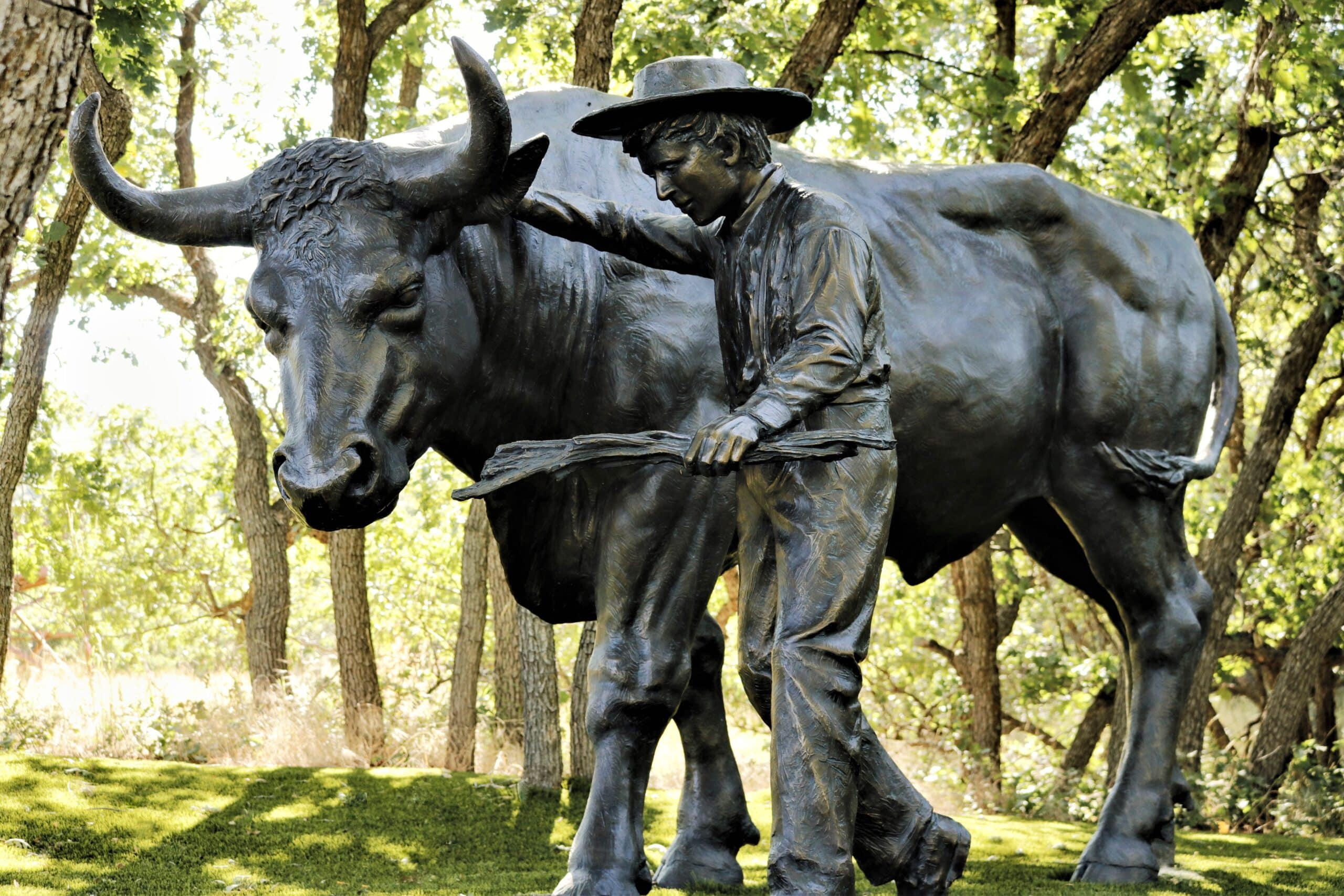
Joseph F. Smith
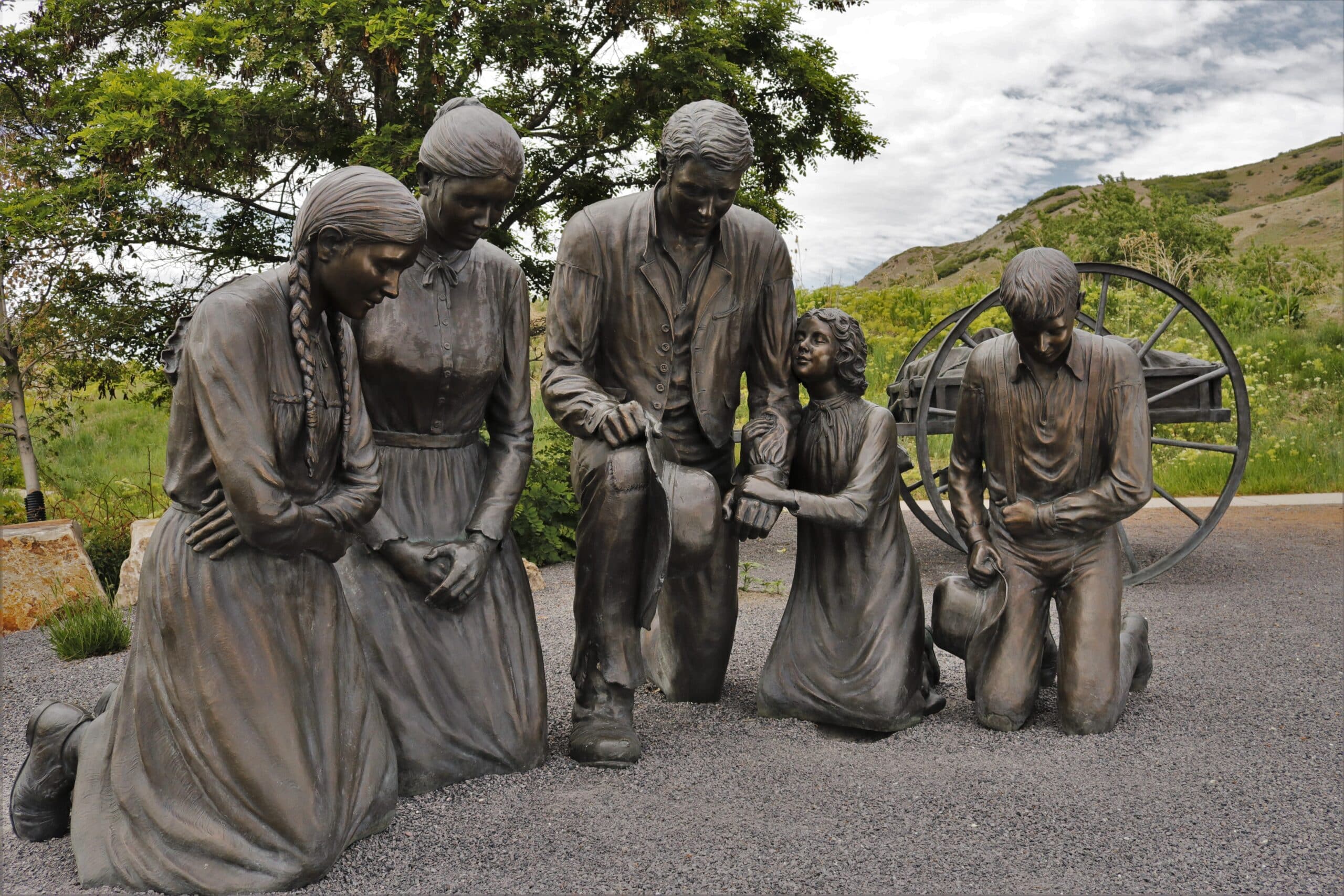
Journey’s End
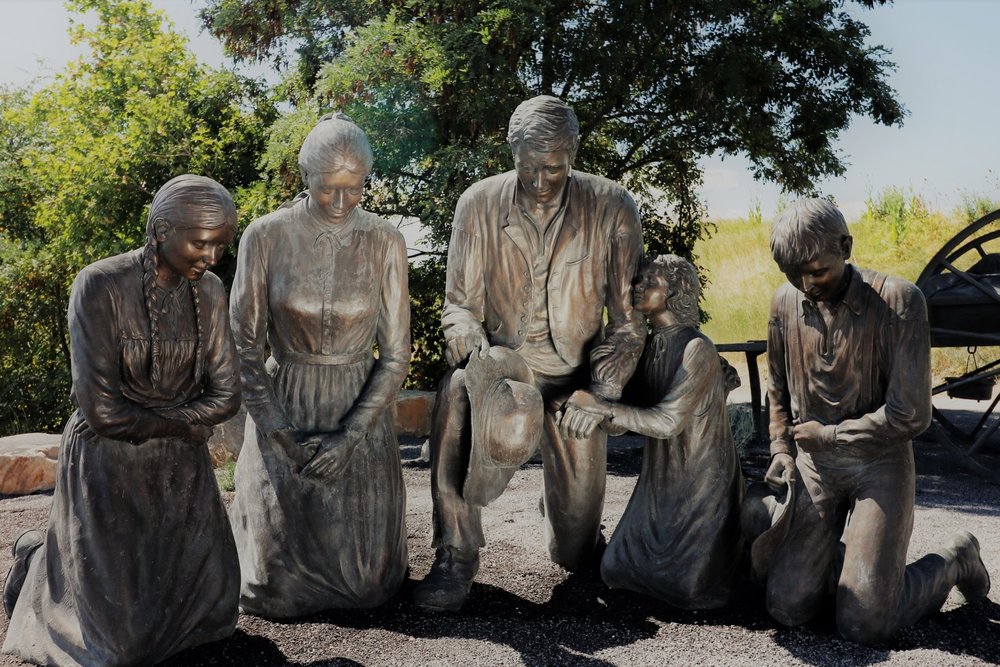
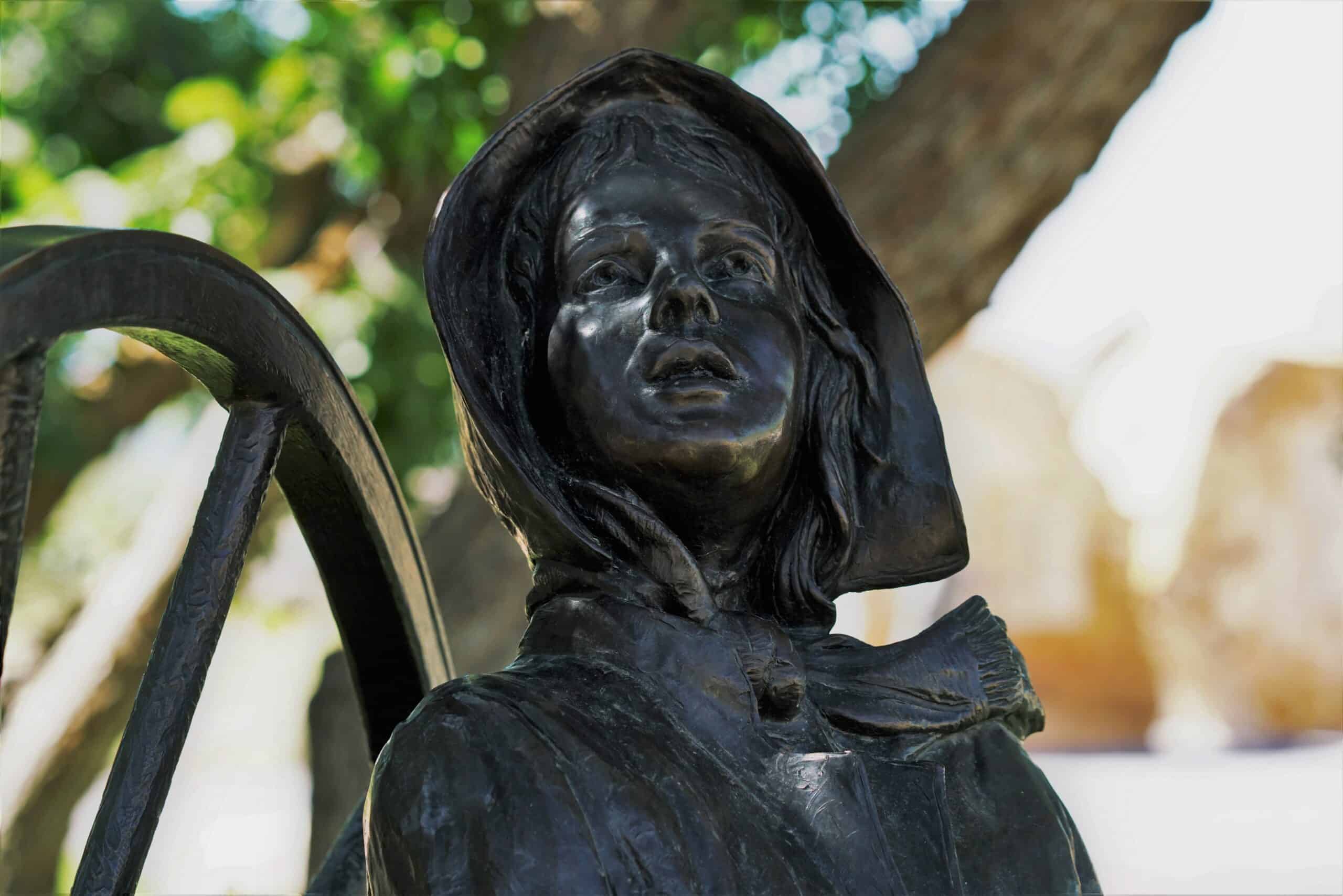
These pioneers came from all over the world and met on this trail for a journey to a new life and home. Can you imagine all that they left behind to come here? Valborg Rasmussen was from Denmark and one of those determined to come here. Her mother had forbidden her to go, but after much pleading, she finally gave her consent. On the morning of her departure she kissed her mother goodbye, and with a wicker basket full of all her worldly possessions in one hand and a caged canary in the other, she started out. When she reached the ship, she nearly turned back. How could she leave her mother, her family, and friends—all that she had ever known and loved? But, Valborg wouldn’t give up. She walked up the gangplank and stood on the deck. Below were all her friends smiling, laughing, and wishing her well. She said, “I stood my ground without a tear until I saw a sweet tear-stained face come into view. It was my mother. As she squeezed through the crowds, the heat and confusion almost overcame me. I remember whispering…, ‘Oh God, be with us that we may meet again.” Valborg made that journey and was only 11 years old.
This trail required so much sacrifice, courage, and determination. Mary Jane McCleve was just 16 when she came, leaving a sweetheart in Ireland. The endless hardships of the trail, caused her to wonder if it was all worth it. Then just two days out of Salt Lake her father died. “Amid aching hearts and many tears, we buried him by the side of the road…and erected a little marker by his silent grave. I loved my kind Father and it was almost more than I could stand to go on without him…. Up and over the mountains…. Oh! how I worked with tears streaming down my face, praying for understanding. Why? Why? Was it worth my Father's life?
And then she reached that point where she could look down at what you see and she said,
A calm feeling came over me… I wanted to run down the mountain and reach our journey's end….If only Father could have been there to enjoy that sight with us. Maybe he was, for I surely felt close to him that very moment.”